
Polyvagal Theory: Somatic Practice, the Science and When the Map gets Questioned
- Jun 28
- 3 min read
Updated: 2 days ago
If you have spent time in therapy, wellness spaces or somatic practice, you have likely encountered Polyvagal Theory. It offers a map of how the nervous system responds to safety and threat, describing states of connection, mobilisation and shutdown. For many people, that map has been genuinely useful. It has given language to experiences that previously felt confusing or shameful. So it is worth being honest about something that is currently unfolding in the scientific community.
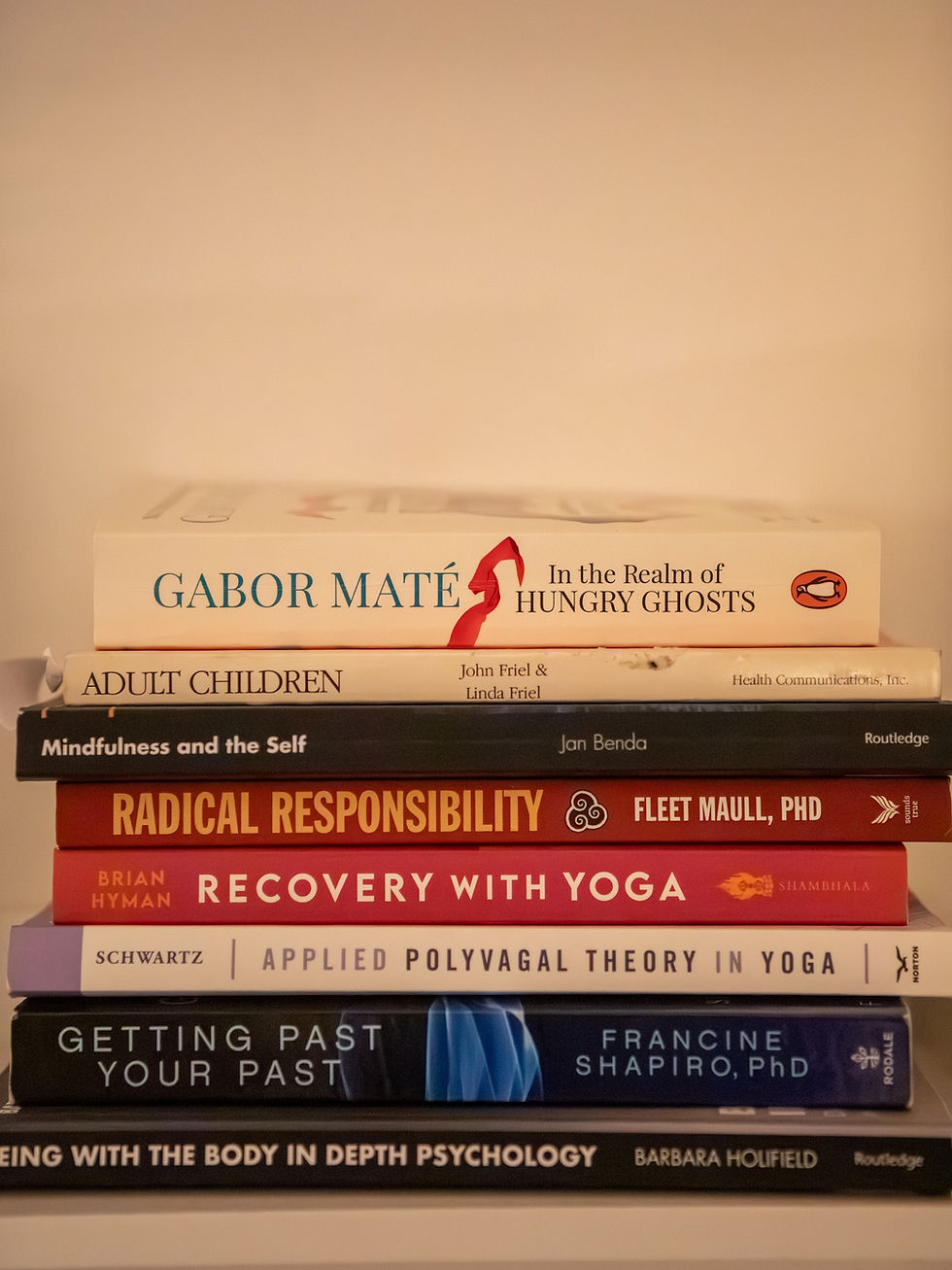
In early 2026, a paper signed by 39 specialists in autonomic physiology and neuroscience concludes that the core biological claims underpinning Polyvagal Theory are not supported by current evidence. The specific neuroanatomical distinctions the theory relies on, and the evolutionary story it tells about the vagus nerve, do not hold up under scrutiny. This is a significant challenge to the theory, and it is one that practitioners who use this framework have a responsibility to take seriously.
I take it seriously.
And I also want to be clear about what the paper does not say.
The researchers are careful to note that the psychological concepts at the heart of Polyvagal Theory - safety, connection, co-regulation, freeze and dissociation - predate the theory by decades. They exist independently of it. They are drawn from attachment research, trauma theory and the long history of body-mind practice. The critique is of the physiological scaffolding, not of the lived experience those concepts describe.

What This Means for Nervous System Regulation and Somatic Work
What this means in practice is this: the experience of feeling safe or unsafe in your body is real. The way early relational experiences shape how the nervous system learns to respond is real. The settling that comes from genuine human connection and co-regulation is real. The states of shutdown, overwhelm and hypervigilance that many people carry are real. None of that disappears because a particular theory about vagal anatomy is contested.
Good practice has never depended on having a perfect map. It depends on meeting what is actually present, with care, attention and honesty. The body does not wait for scientific consensus before it responds to felt safety or perceived threat. And the work of gently supporting the nervous system toward greater flexibility and ease does not require a flawless neurophysiological explanation to be meaningful.
This is one of the things I value most about trauma-informed somatic therapy as a practice: it is grounded in direct, embodied experience, not in any single theoretical model. The body-based approach I use draws on nervous system awareness, attachment theory and relational safety. All of which have robust independent support, regardless of the specific biological scaffolding of Polyvagal Theory.

Holding Theory Lightly: What Actually Matters in the Room
What I find most useful in all of this is the reminder that theories are tools, not truths. They help us organise our understanding and communicate with each other. When a tool is shown to have limits, the honest response is not to defend it beyond those limits, nor to discard everything it pointed toward. It is to hold it more lightly, stay curious and keep returning to what is directly observable: the person in front of you, the sensations in the body, the gradual unfolding of something that feels more like home.
This is, ultimately, what somatic healing is built on. Not the authority of a model, but the felt experience of regulation, connection and gradually increasing safety in the body. Whatever theoretical map we use to describe that process, the territory itself, your nervous system, your body, your capacity for change remains.

Work with the Nervous System Directly
If this kind of thinking about the nervous system resonates with you, and you are curious what it feels like to explore it in practice rather than in theory, there are a few gentle ways in.
The 6-week Somatic Journey into Meditation offers a live, guided way to experience nervous system regulation and somatic awareness in community. Building a relationship with your body and inner life that no scientific debate can take away.
And if you feel ready for more personalised support, 1:1 Somatic Therapy offers a relational, body-based space that works with your nervous system directly - with care, honesty and without attachment to any single framework. Available online and in person in Beverley, East Yorkshire.
The map is always partial. The territory is always yours. This is not about fixing who we are, it is about discovering that with the right support, our nervous system and our heart can learn new ways of being with life.


